

Press + Media
Check out the latest press, reviews, podcasts, and interviews.
Featured



Check out the latest press, reviews, podcasts, and interviews.
Acclaimed queer faith memoir earns top honor from Kirkus Reviews for its story of surviving conversion therapy and finding faith, healing, and belonging
The part of leaving high-control environments or religious trauma that people don’t always see is the long, quiet process of unlearning. Learning to trust your own gut after being taught that your instincts are inherently wrong takes time. It’s not just about getting out; it’s about learning who you are when you stop following a script that was never yours to begin with.
Conversion Therapy Dropout was named one of six finalists for the inaugural Kirkus Indie Awards in the memoir category.
“Many folks think that they had to have gone to some big retreat or conference to say that they’ve encountered conversion therapy, but its tenets are actually everywhere within conservative evangelical communities, and it’s important that we expand our definition to include the harm that happens in more subtle and insidious ways.”
“Many folks think that they had to have gone to some big retreat or conference to say that they’ve encountered conversion therapy, but its tenets are actually everywhere within conservative evangelical communities, and it’s important that we expand our definition to include the harm that happens in more subtle and insidious ways.”
"I want to use my experience, my strength, and the hope that I found through my healing, to do whatever I can to ensure that no one has to go through what I went through... and realize that it is possible for them to be gay and loved by God."
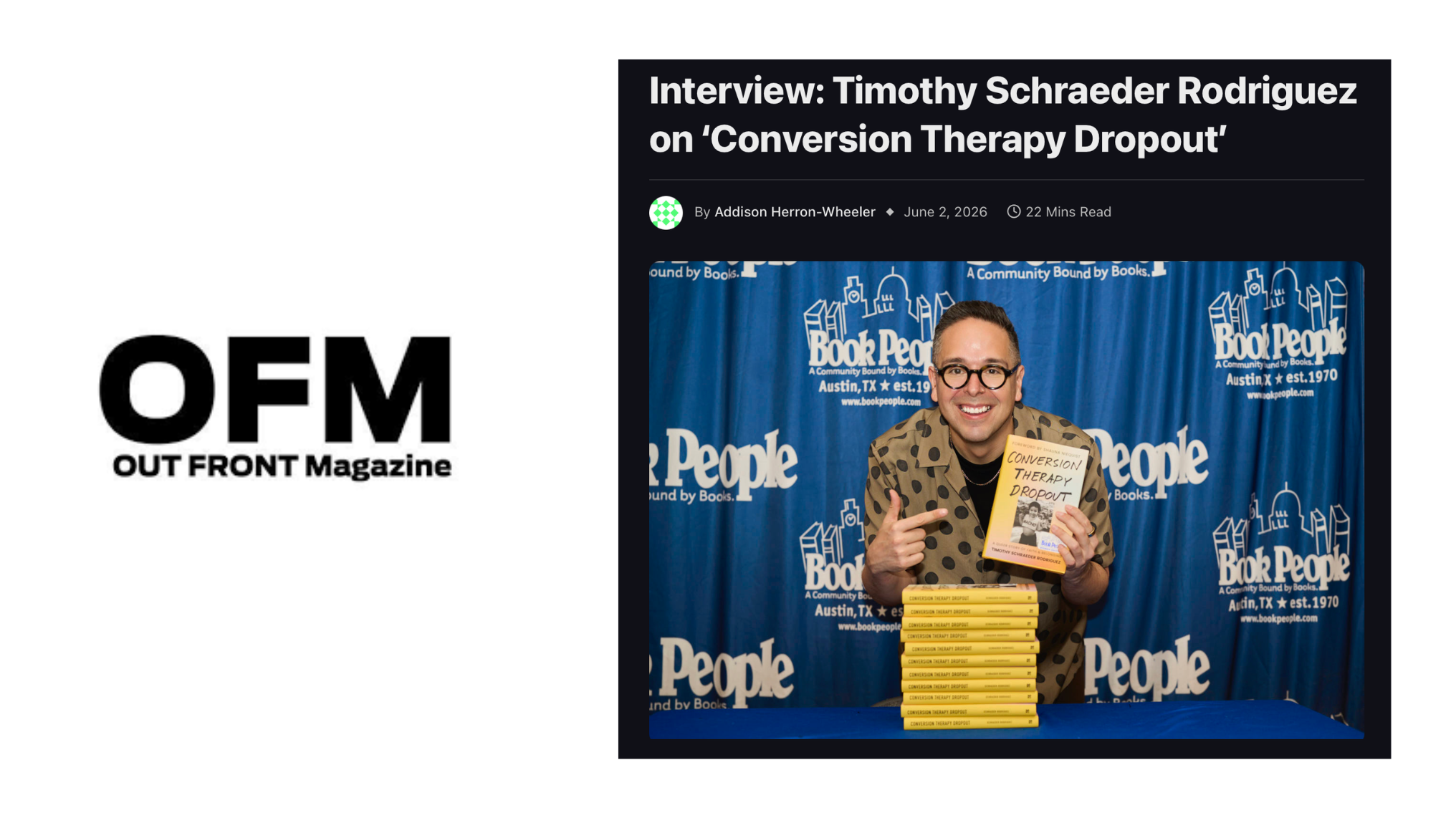
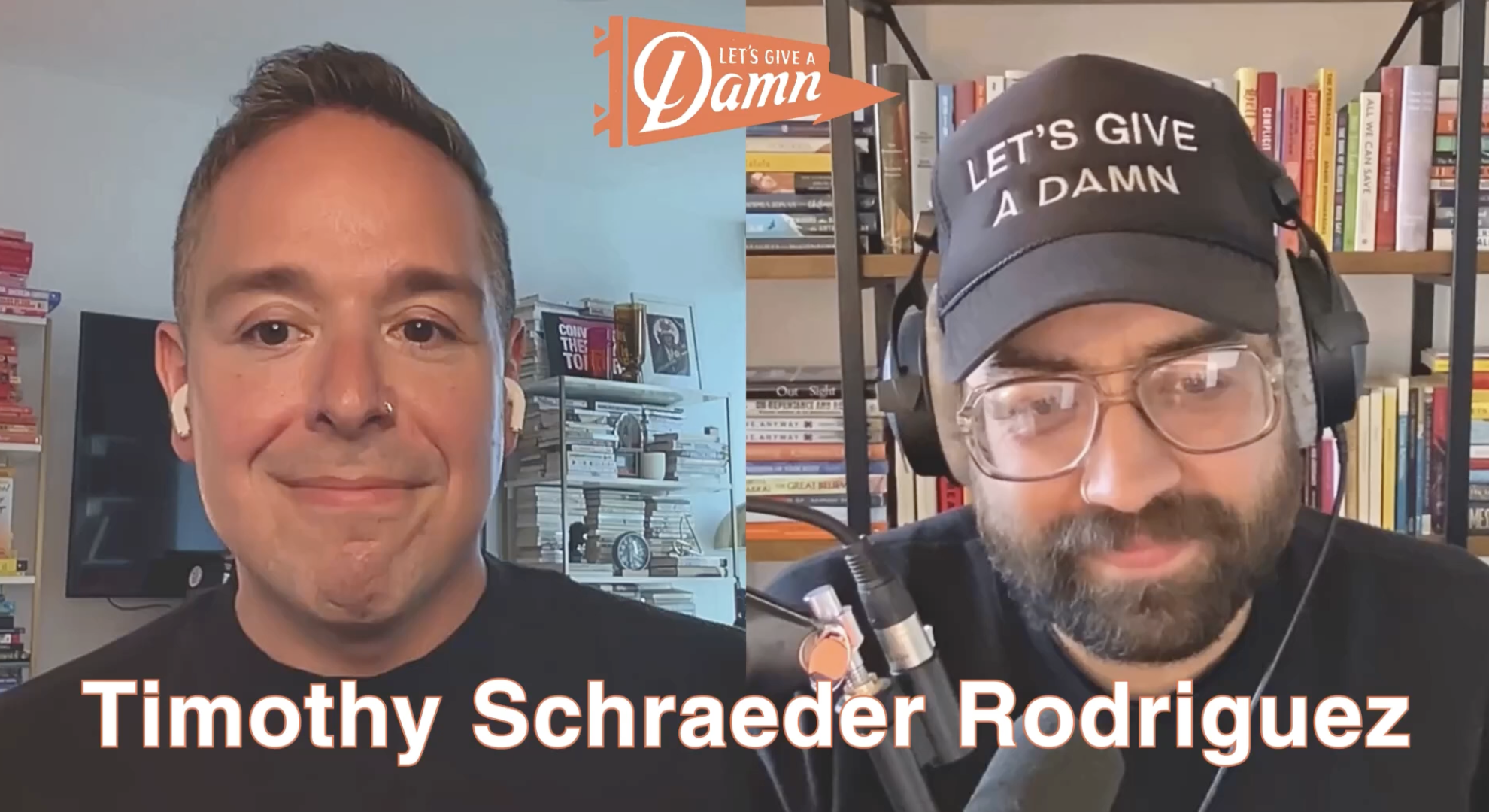
In this conversation, Tim shares how he was drawn into the ex-gay movement, the hidden realities of conversion therapy today, and the challenges of navigating faith, sexuality, and belonging. He talks about the lasting impact of religious shame, the connection between queer identity and recovery, the search for affirming spiritual community, and the ongoing fight against Christian nationalism and anti-LGBTQ theology.
Whether you’re navigating questions of faith, sexuality, identity, or healing from religious trauma, this episode offers a compassionate and honest exploration of what it means to belong.
“Clarity is kindness. Ambiguity can be harmful.” (@brenebrown) This should also apply to churches.”
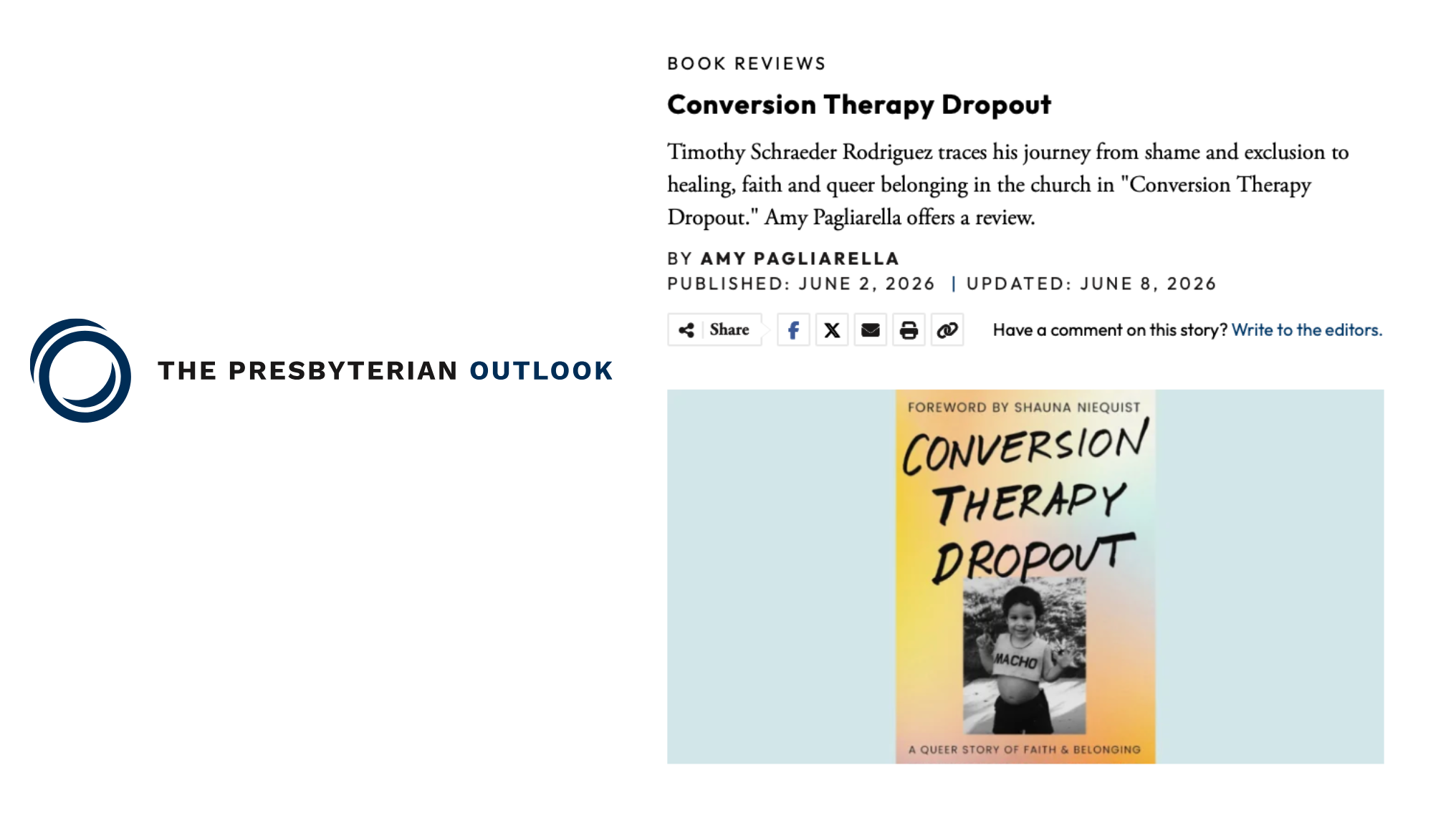
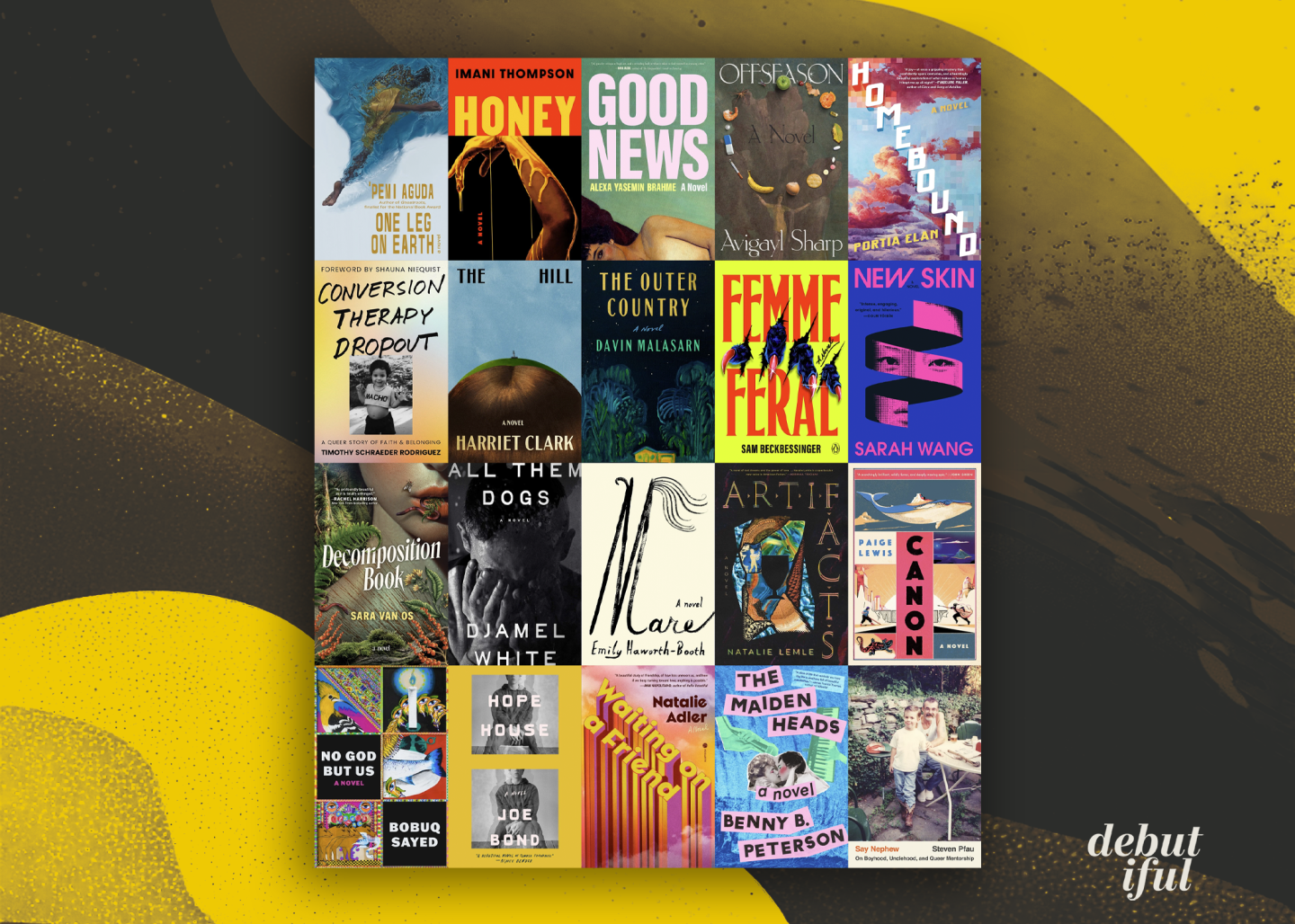
Debutiful named Conversion Therapy Dropout one of their picks for the best debut nonfiction of 2026 (so far).
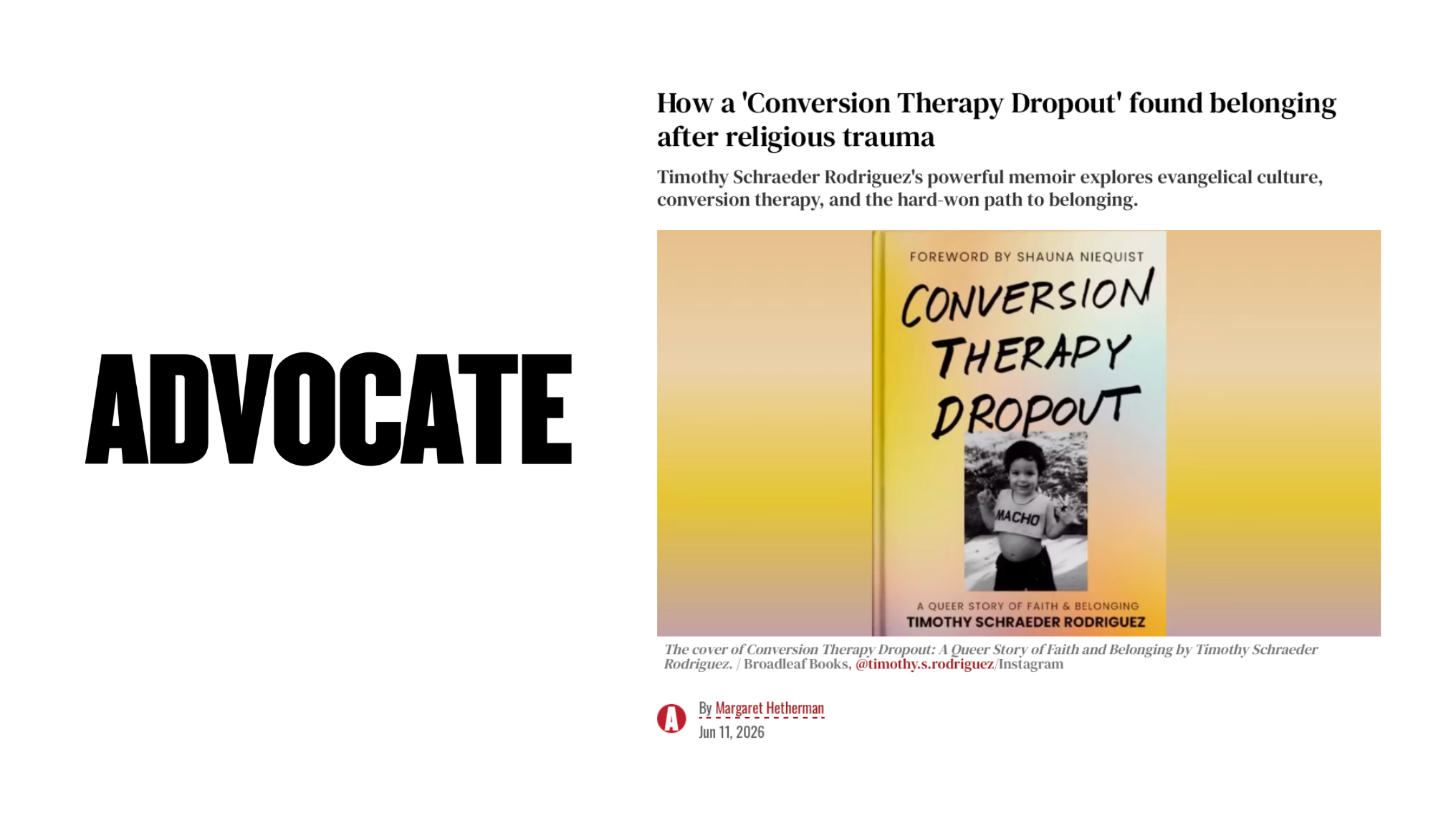
The Advocate calls Conversion Therapy Dropout "a powerful memoir... heartfelt and heartbreaking."
"My failure to change when it didn't work wasn't looked at as something that was wrong with me. I viewed it as divine rejection..."
"A lot of these churches wanted their pastors to become influencers, their churches to become lifestyle brands... they were willing to work with me as long as I was, like, signing NDAs."
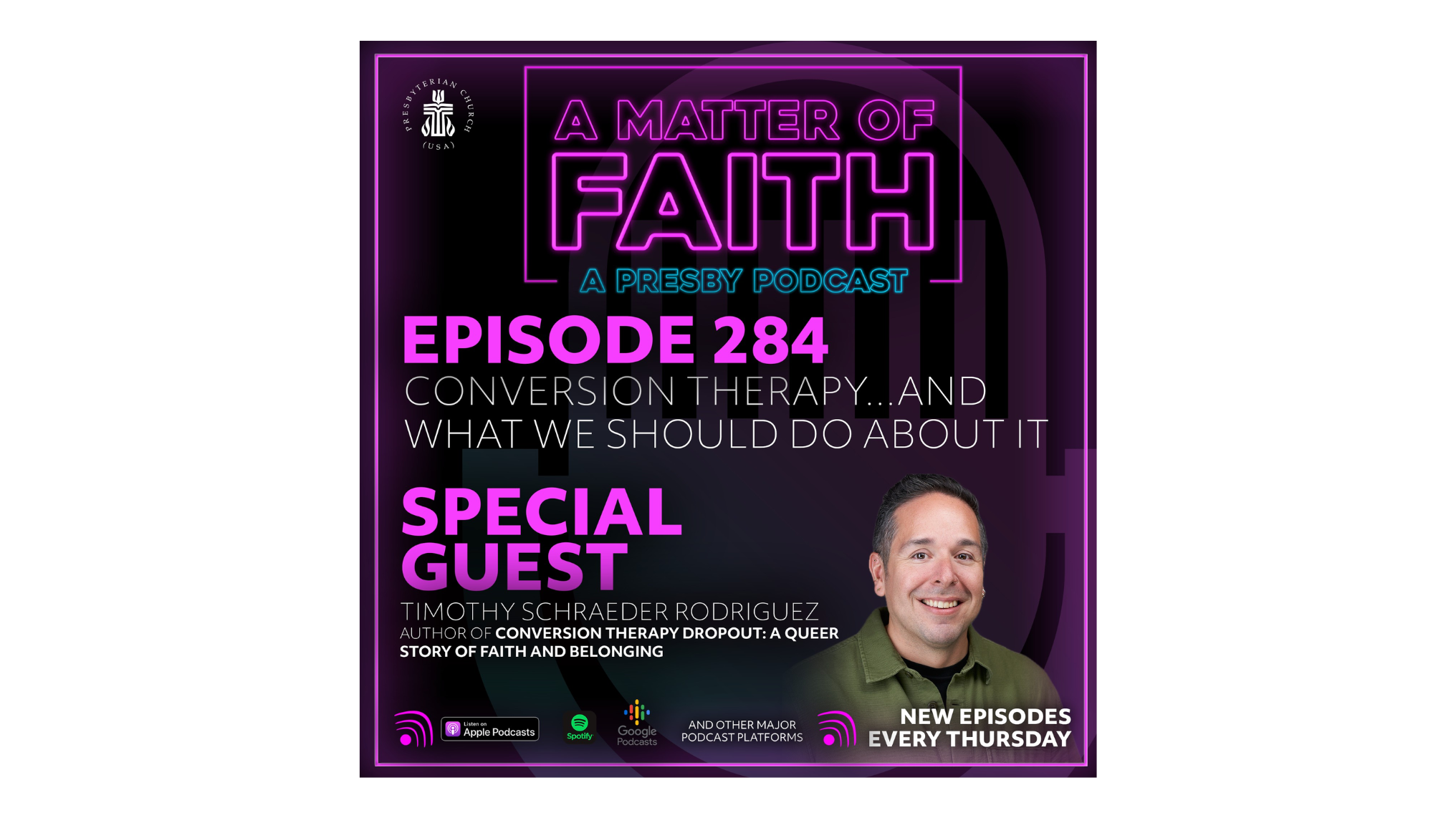
“Treating conversion therapy as an act of speech, rather than an evidence-based medical treatment, is an invitation to abuse. Conversion Therapy Dropout may help us understand the painful consequences of this decision, while offering a better way forward.”
Debutiful named Conversion Therapy Dropout one of their 20 debut books to discover from May 2026.
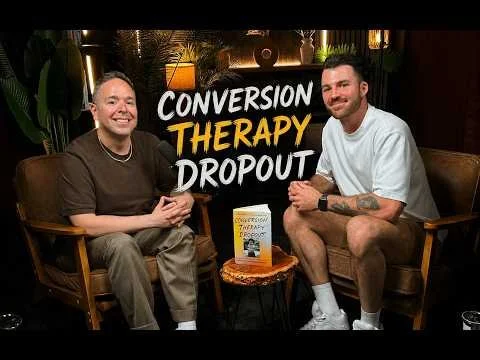
I loved getting to sit down with Dillon (Dill) to talk about conversion therapy, religious trauma, and how to be gay and a Christian.
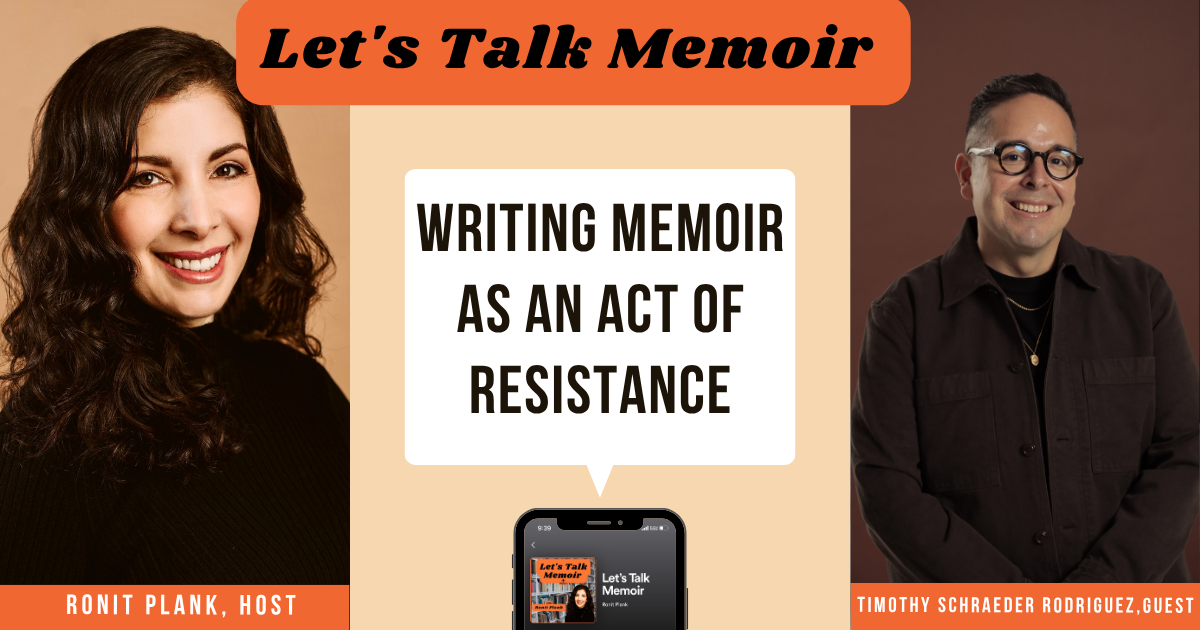
I was honored to talk about the memoir writing process with Ronit Plank on Let’s Talk Memoir.
"I realized that the problem wasn’t us. The problem was the program itself and what we were being told to believe about ourselves."
“You can’t argue with lived experience.”
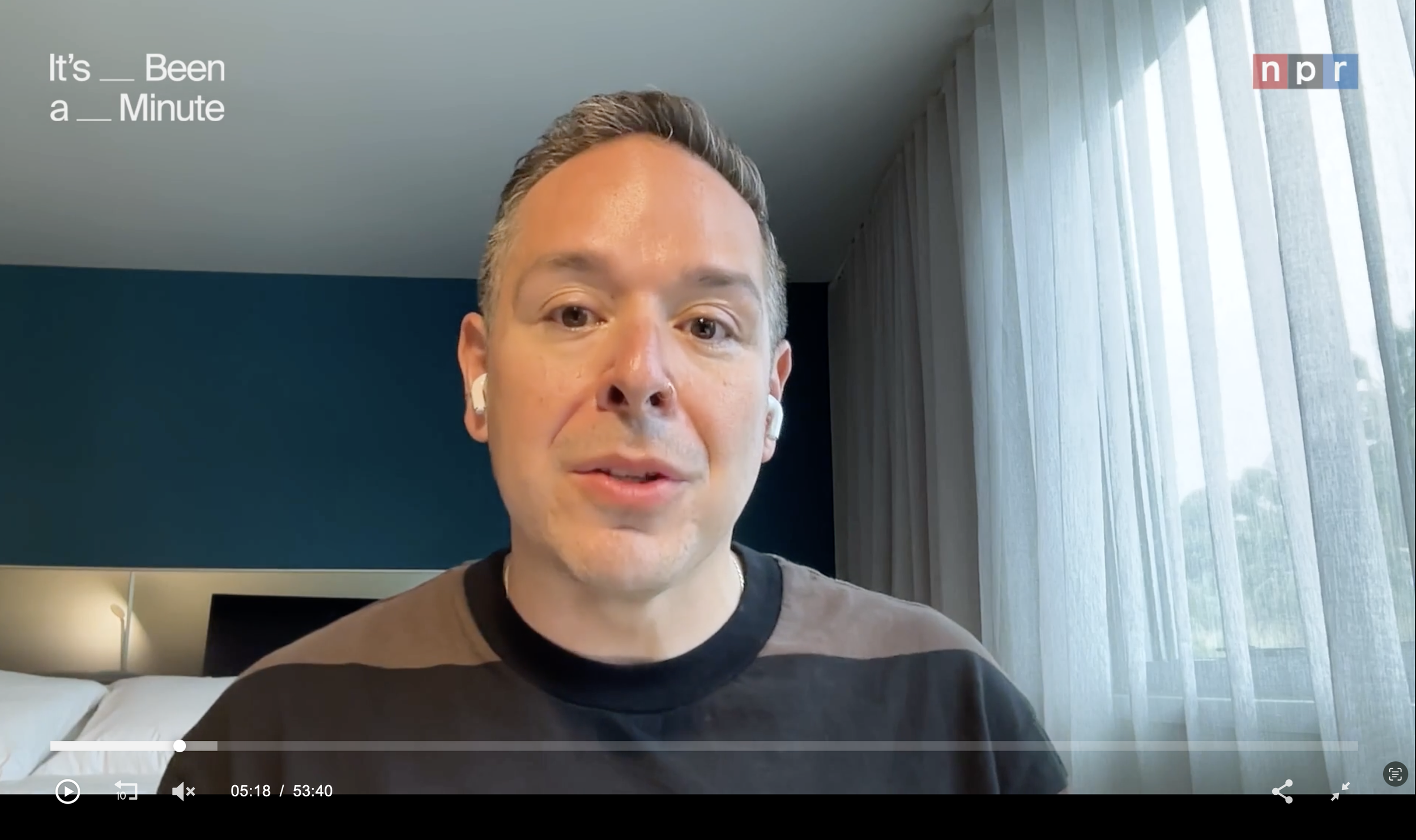
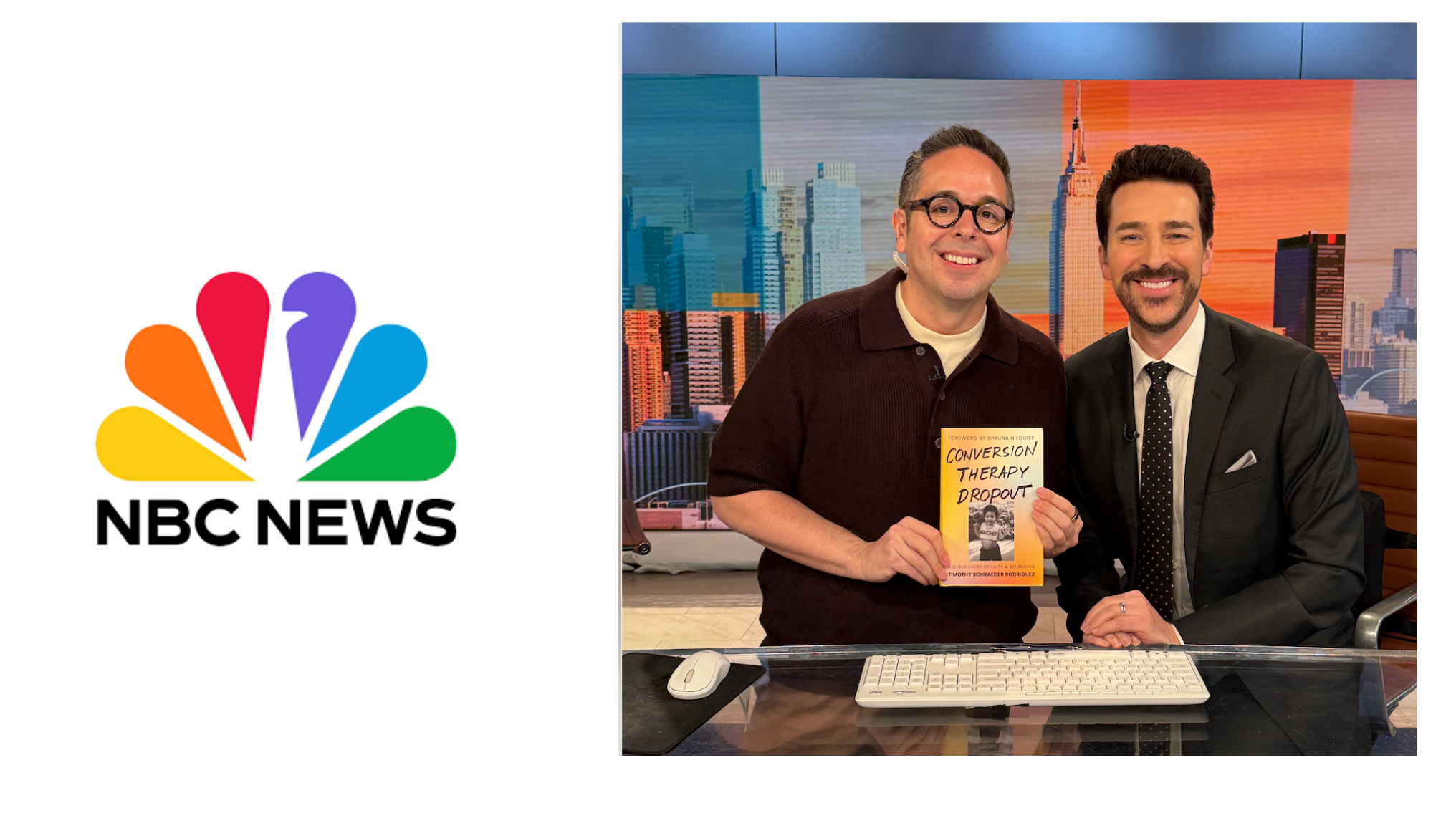
Here’s the full clip from my interview on NBC News Now with Joe Fryer. We covered everything from the recent SCOTUS ruling to the historic report out of the Vatican this week, and why I decided to write Conversion Therapy Dropout.
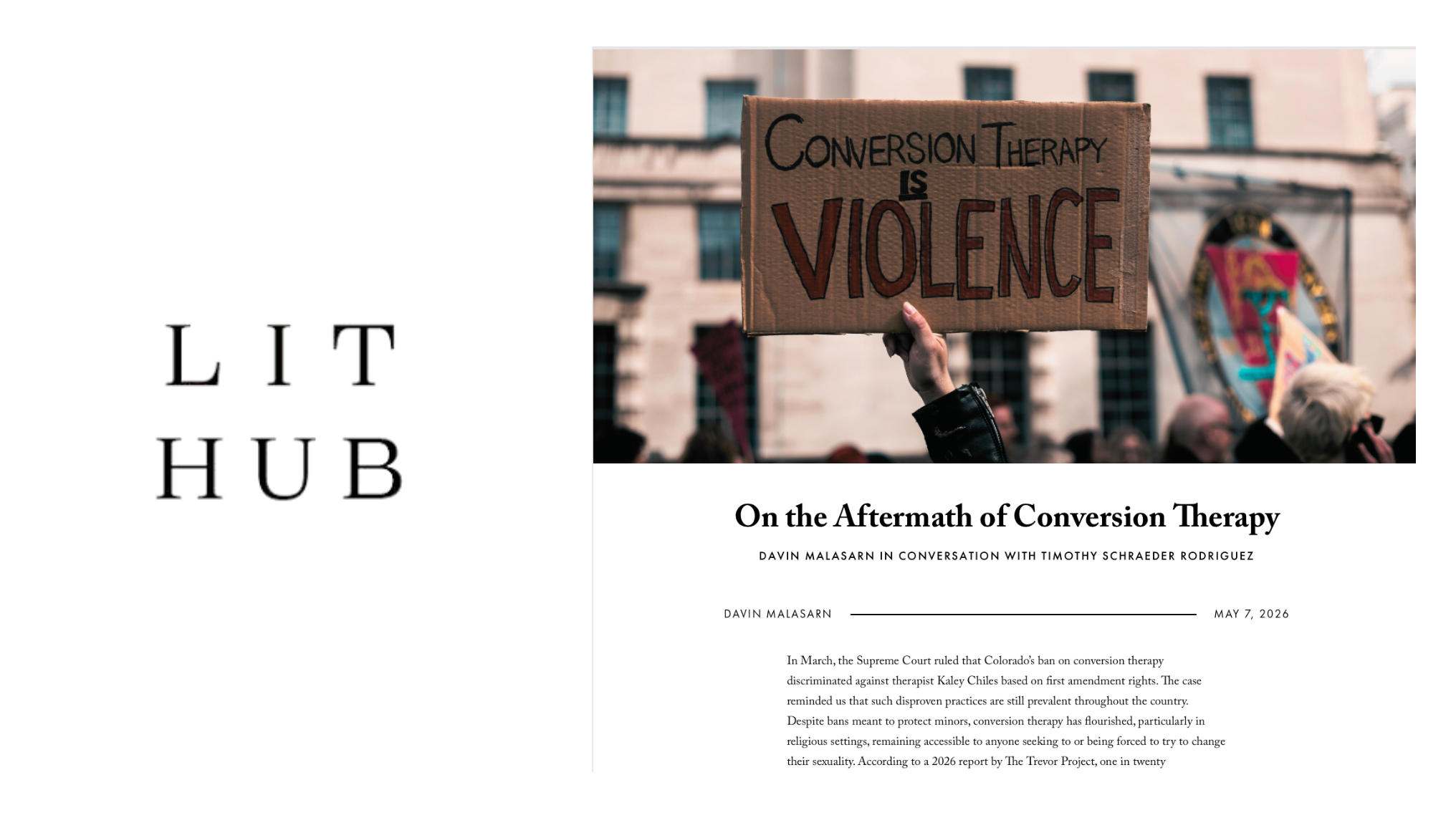
My book wasn’t the only book about surviving conversion therapy that released on May 5. Davin Malsarn and I both released books that tackle the harms of conversion therapy from different lenses: Davin’s from the Buddhist lens in his fiction, and mine from the Evangelical world in my memoir.
Despite our different backgrounds and experiences, the themes of trauma, faith, and ultimately finding freedom were so deeply shared.
I’m grateful to share pub date with Davin and for the opportunity to join him in conversation on writing about the aftermath of conversion therapy with Lit Hub.
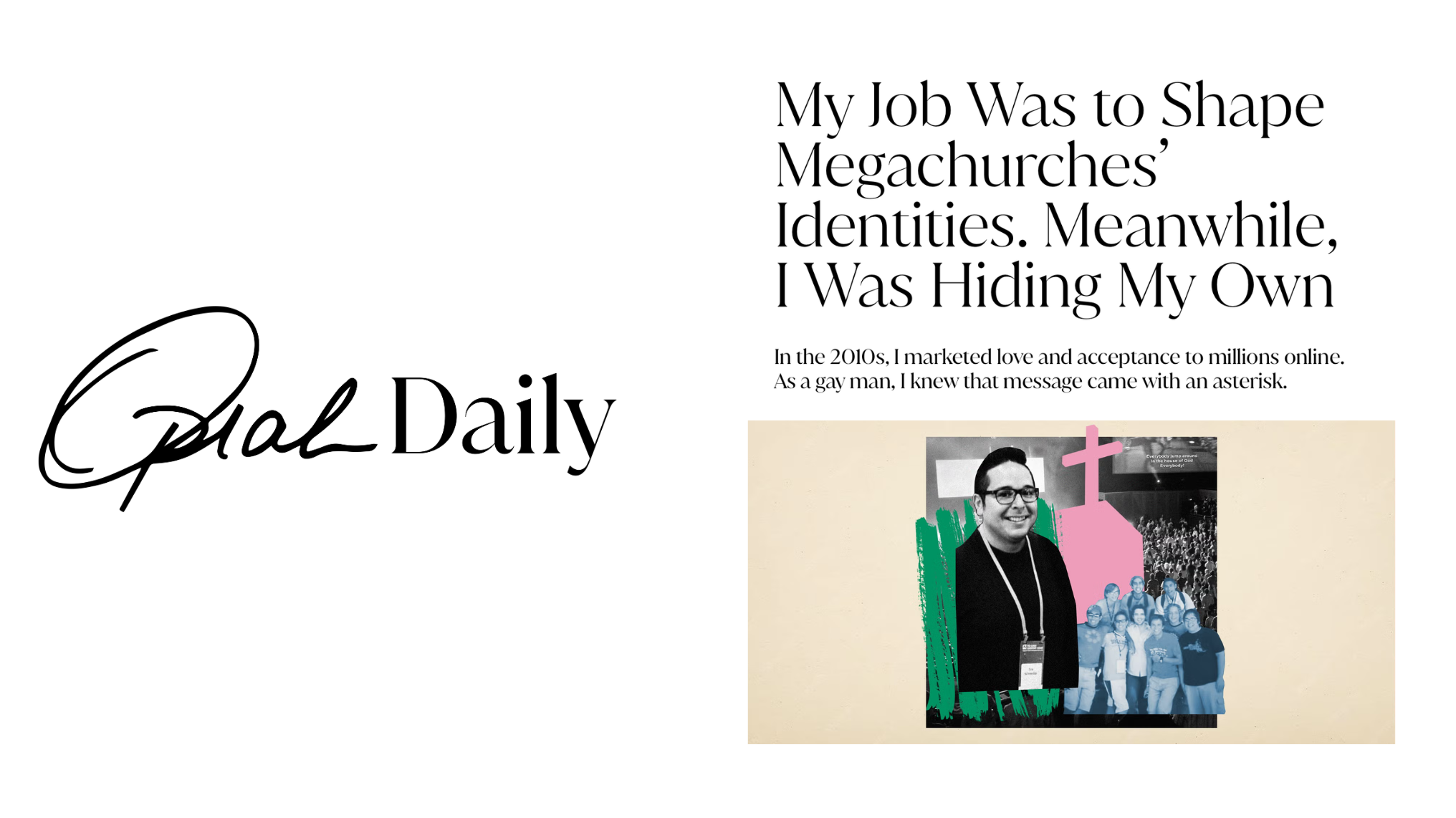
By day, I helped these churches reach millions. By night, I was piecing together my own identity as a gay man, quietly wondering if there would ever be a place for me in the very ministries I was helping build.
I loved this conversation with my friend Kit Morgan on The Liberated Porch Podcast, where I share how sobriety was a key part of my recovery from moral injury caused by conversion therapy.
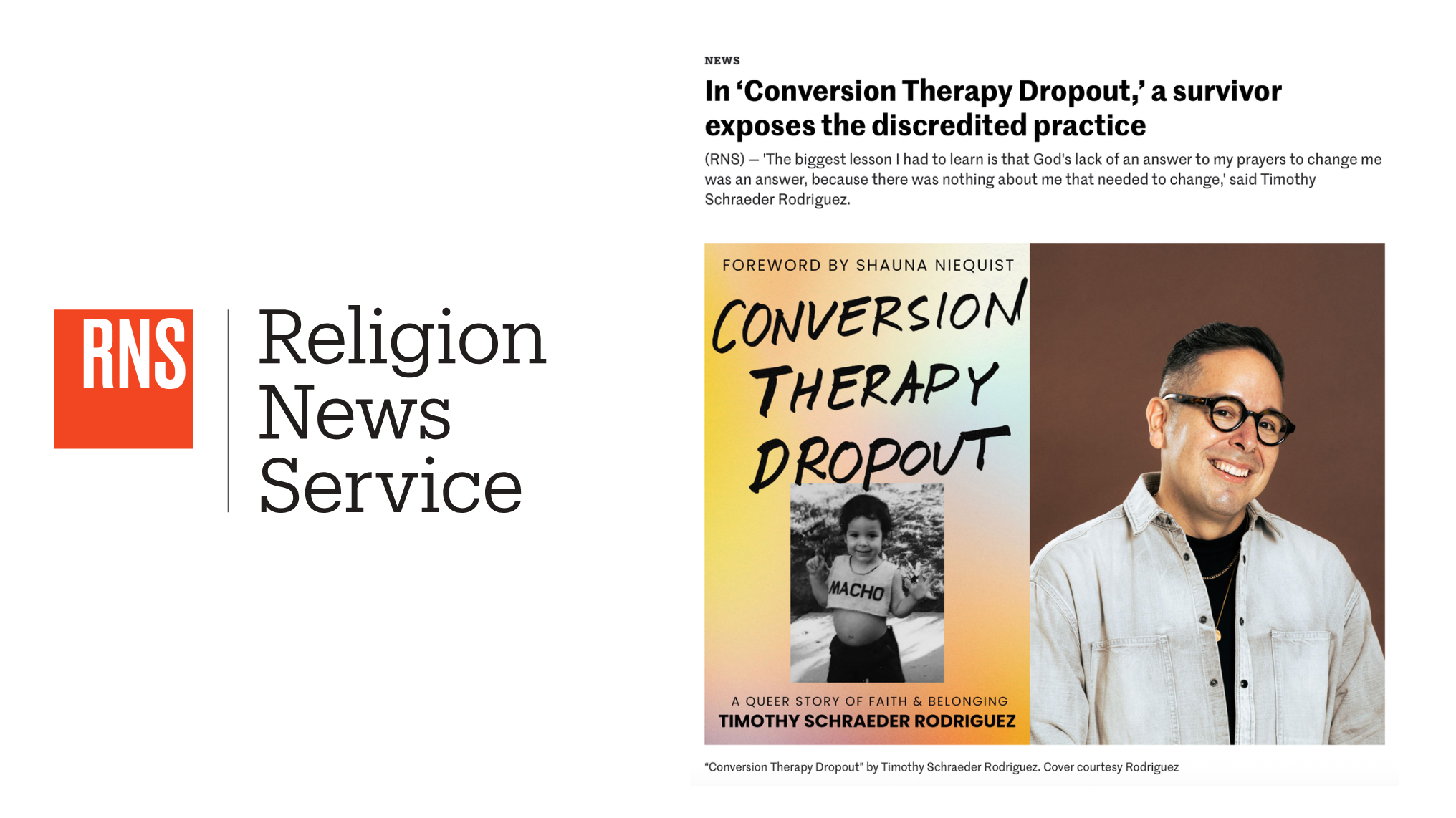
“The biggest lesson I had to learn is that God's lack of an answer to my prayers to change me was an answer, because there was nothing about me that needed to change.”
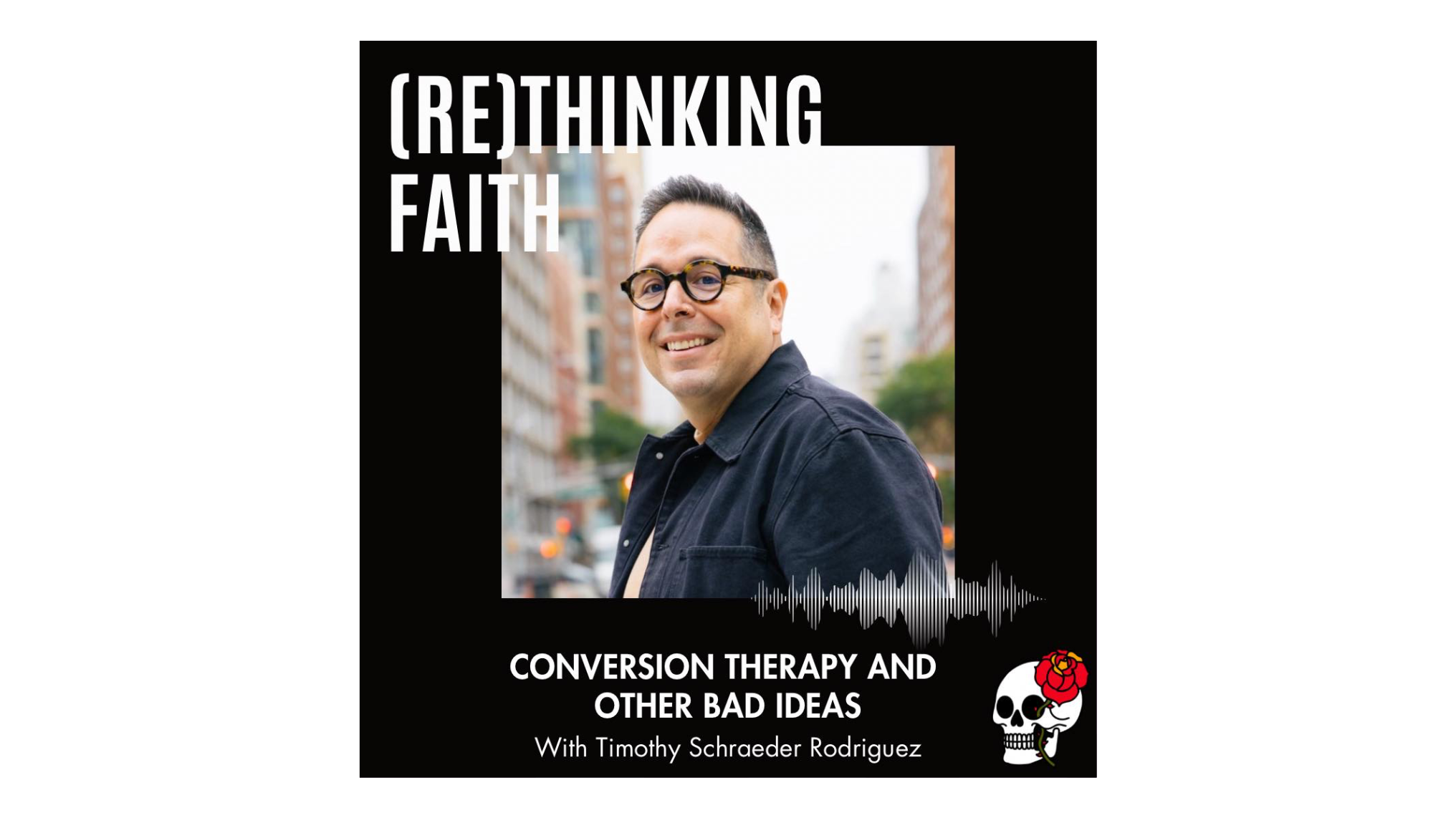
I sat down with Josh Patterson on the (Re)thinking Faith Podcast and Dr. Leah Robinson to discuss my eight-year journey through conversion therapy and the paradox of building digital communities for megachurches while being unable to fully belong myself.
In this interview, I urge faith communities to speak out against the current state and growing resurgence of this abusive practice, and talk about how churches can be more affirming and inclusive of the LGBTQIA+ community.
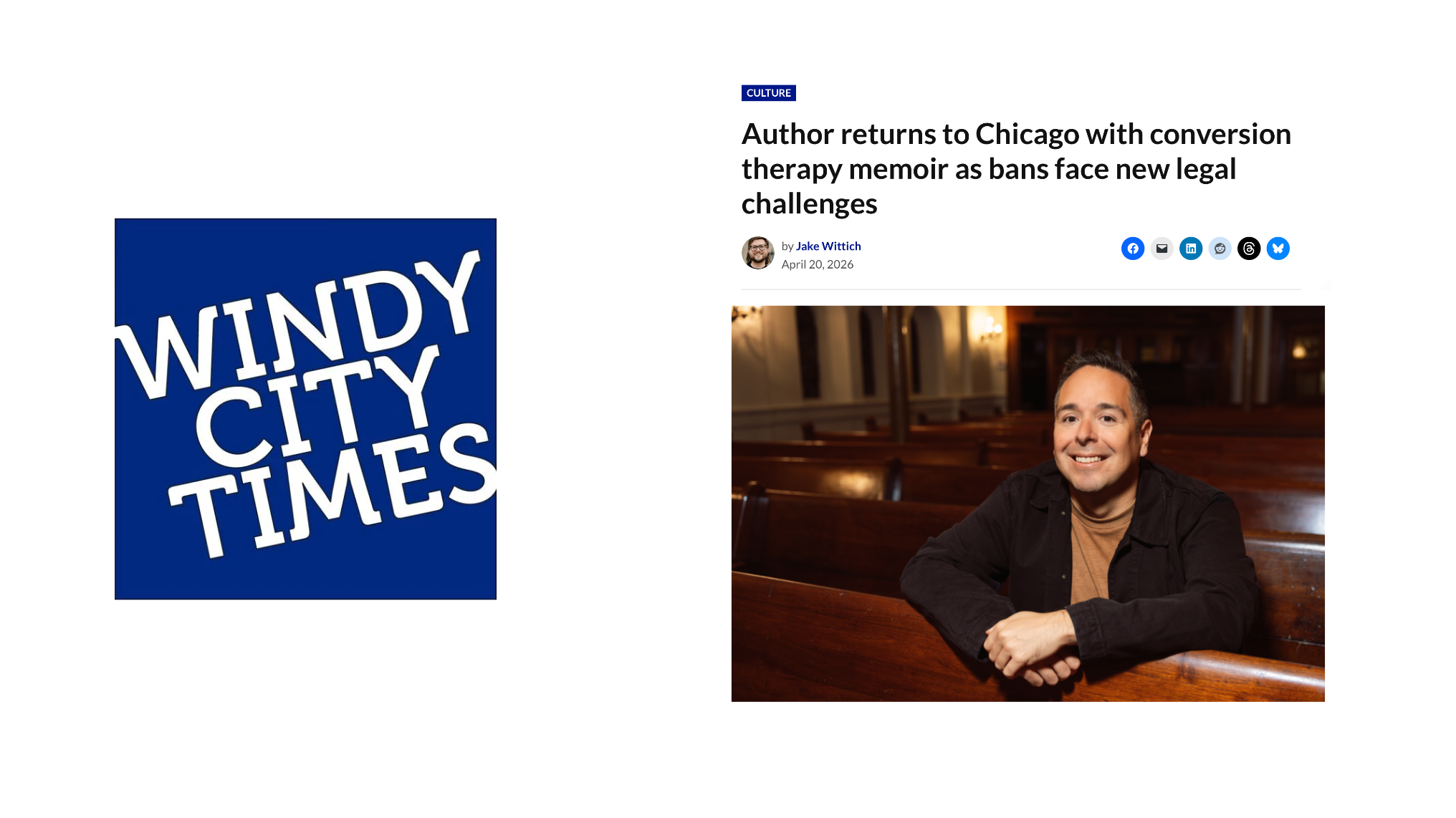
Windy City Times was like a road map to help me navigate the new world I found myself in after leaving conversion therapy. I was grateful to have the opportunity to chat with Jake Wittich about my book and why I’m looking forward to being back in Chicago to promote my book.
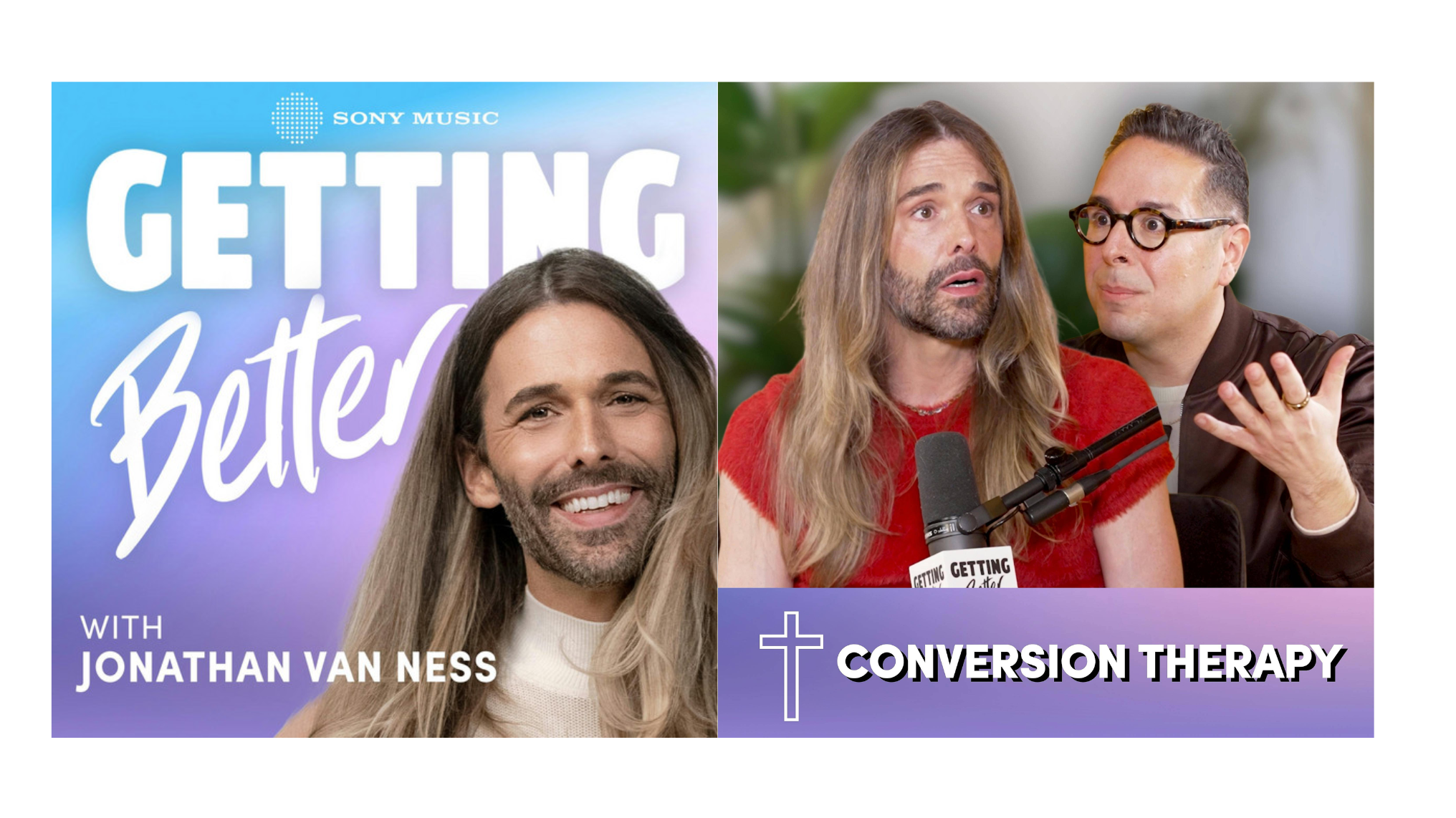
I cannot believe I had the opportunity to sit down with Queer Eye’s Jonathan Van Ness on their podcast, Getting Better. We got into it all — including our shared experiences growing up in small-town Illinois.
I loved this conversaion with Anne Helen Peterson on the Culture Study Podcast where we discussed my years in conversion therapy and answered some great listener questions.
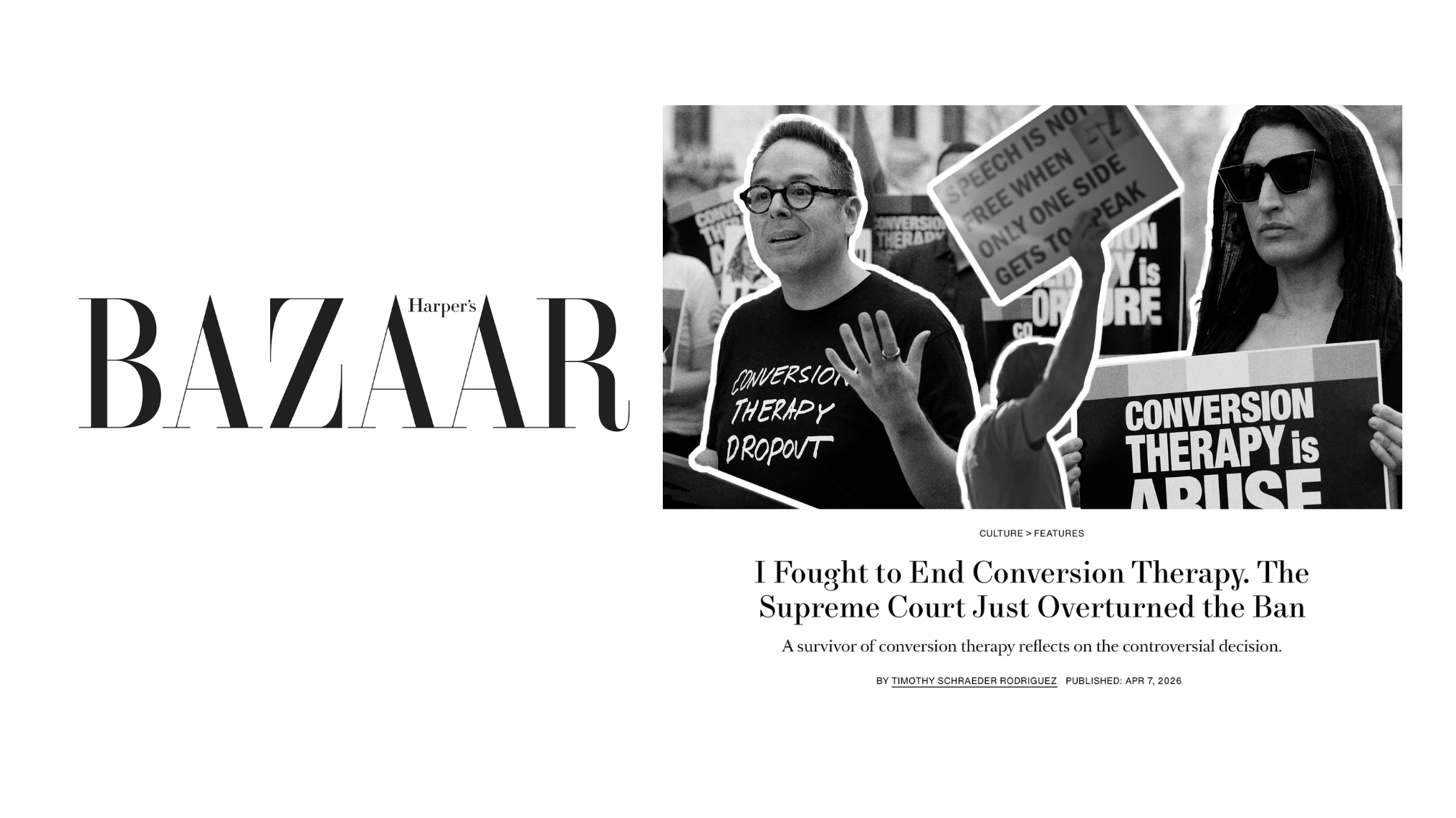
Check out my first piece with Harper’s Bazaar on my reflections on the SCOTUS decision and what it means for conversion therapy survivors.